Enter the lobby
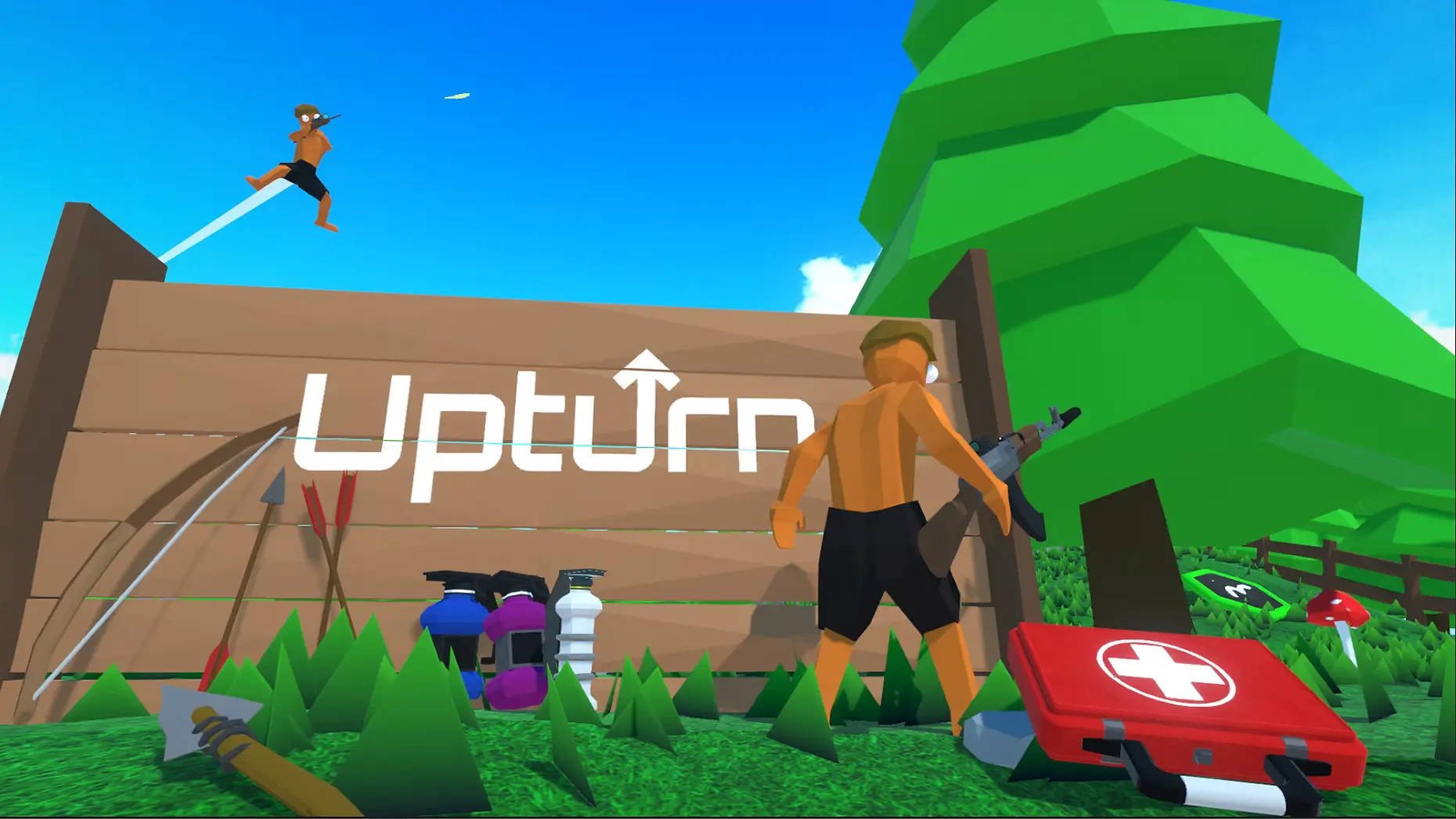
Players join a room, interact with one another, and choose the next match configuration.
Independent project · 2022–2023
An online arena shooter for up to eight players, built around a comeback economy that gives defeated players new ways to turn a match around.
Overview
Upturn began as my first substantial 3D project and grew into a complete online multiplayer prototype. I designed and implemented the experience from lobby flow through combat, defeat, upgrades, respawning, and match completion.
The project pushed me beyond isolated mechanics. Every feature had to work for multiple connected players, communicate its state clearly, and return everyone to a consistent match state.
Design problem
Traditional free-for-all matches can become less engaging when one player gains an early lead. Upturn turns defeat into a controlled opportunity to adapt.
Players join a room, interact with one another, and choose the next match configuration.
Once everyone is ready, the host starts the match and players spawn into the arena.
Players earn coins through eliminations—and receive a smaller opportunity to recover when defeated.
Coins buy weapons or abilities before the next life, creating counterplay and comeback decisions.
The winner is declared, all players return to the lobby, and the group can begin another match.
My contribution
I built the project as a solo developer, combining networked state, FPS mechanics, match progression, and content into one playable loop.
Used Photon PUN to synchronize players and support room creation, joining, readiness, spawning, combat, defeat, respawning, and returning to the lobby.
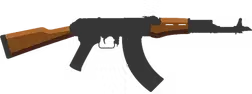
Implemented projectile and hitscan combat across six weapons, including melee, bows, automatic firearms, and a precision rifle.
Connected eliminations, defeats, coins, purchases, and respawns so players could change tactics during a match instead of waiting for the next one.
Created eight purchasable throwables and utilities, including grenades, temporary walls, healing, thermal vision, and portal access.
Developed responsive first-person movement with jumping, sliding, wall-running experiments, aiming, weapon switching, and ability input.
Designed the close-quarters Farm arena and a more vertical Tundra direction, using cover, sightlines, portals, and movement routes to support the weapon set.
Content systems
Six weapons support different ranges and play styles, while eight purchasable abilities let players recover, reposition, disrupt opponents, or change the arena.
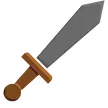 Sword
Sword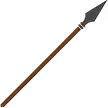 Spear
Spear Bow
Bow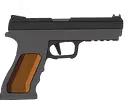 Pistol
 Rifle
Rifle Sniper
 Bounce bomb
 Grenade
 Wall grenade
 Smoke bomb
 Ghost mode
 Dark portal
 Medkit
 Thermal vision
Development process
The project changed substantially as I learned networking, tested mechanics, reduced feature creep, and clarified the experience I wanted to finish.
Iteration 01
The earliest build was a learning exercise inspired by movement-focused low-poly shooters. As the project developed, I moved away from imitation and centered it on an original defeat-to-upgrade multiplayer loop.
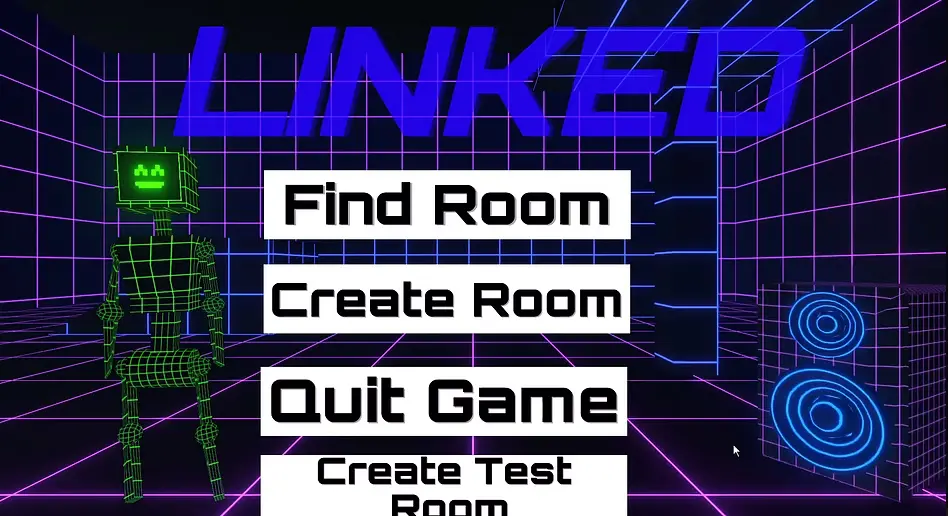 Early prototype · Linked
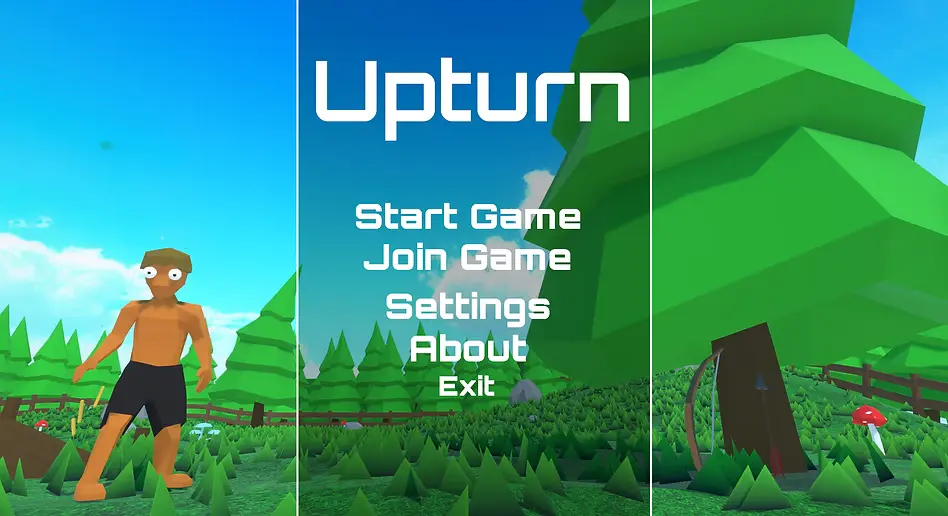 Focused direction · Upturn
Iteration 02
I developed mechanics inside simple test environments before building out the final arenas. These prototypes helped me evaluate gun feel, movement, weapon ranges, sightlines, and the amount of cover a multiplayer map needed.
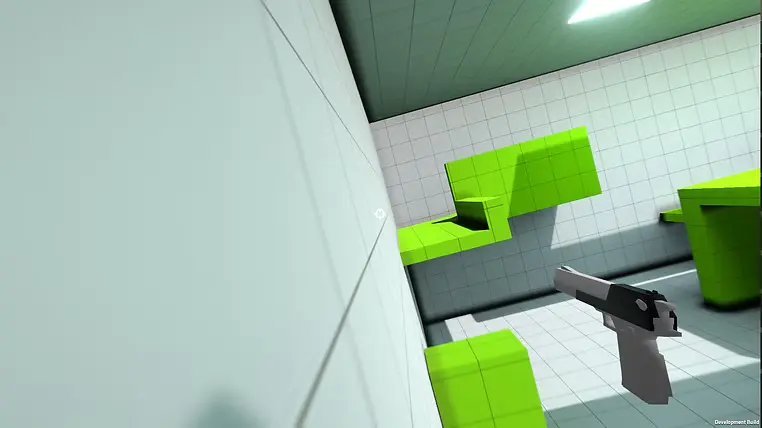 Wall-running test
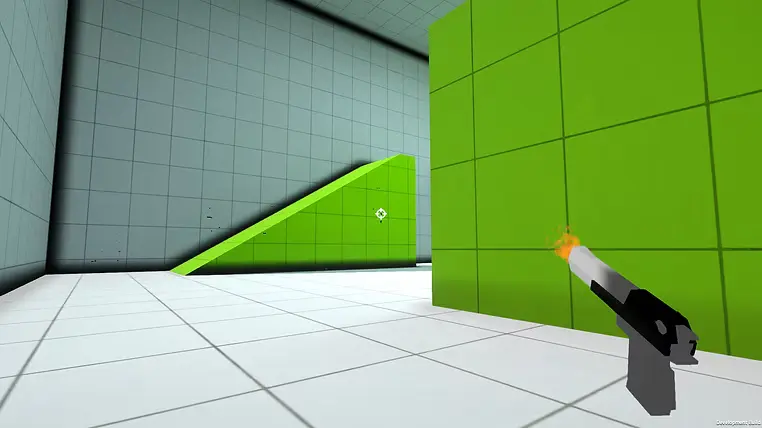 Pistol feedback
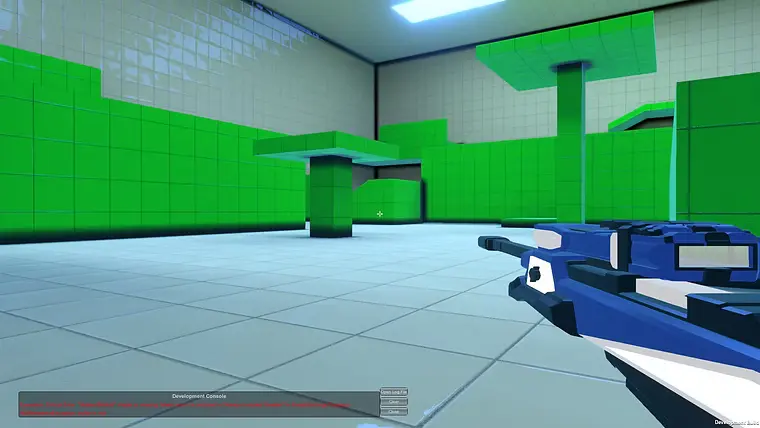 Range and sightlines
Iteration 03
My first approach added ideas faster than I could finish them. I reorganized the remaining work into a prioritized schedule, completed a stable prototype first, and treated additional ideas as optional rather than required.
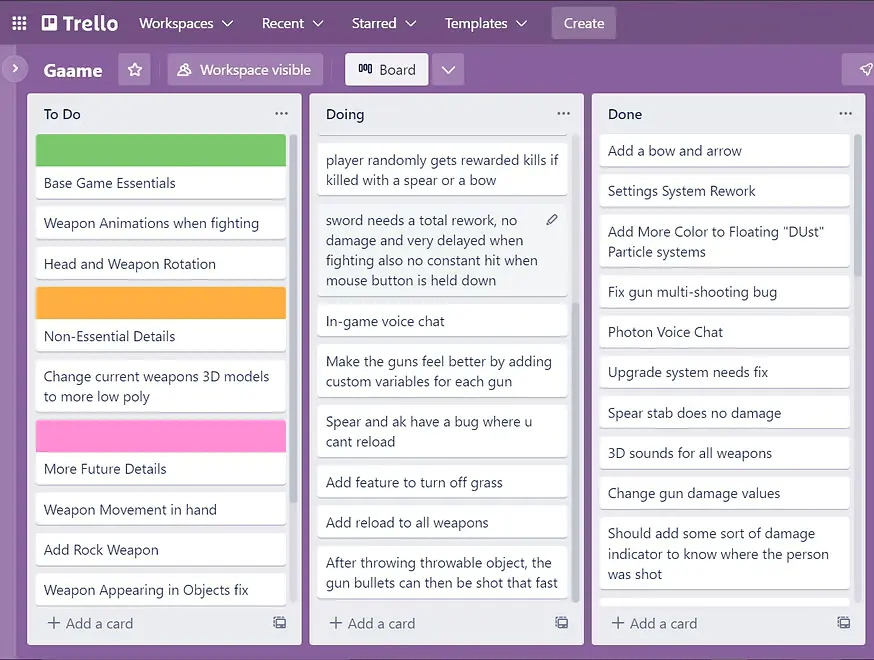
Takeaways
Networked features need clear ownership so every client reaches the same result without duplicating important actions.
Combat, currency, purchasing, defeat, and respawning feel coherent only when they are designed as one connected loop.
A prioritized plan reduced rewrites and helped turn disconnected experiments into a complete playable prototype.